- Winemakers On Fire
- Posts
- Winemakers On Fire, Issue #125
Winemakers On Fire, Issue #125
How attentive restraint built Bosman's legacy—and why doing less sometimes means achieving more.

Mike Carter
January 27, 2026 • Time To Savour: 5 minutes
Greetings from Cape Town, South Africa!
Twenty years ago, a young winemaker stood in front of gnarled 1952 Chenin Blanc vines that everyone wanted ripped out. Her decision to say "no" changed everything. Corlea Fourie, Head of Wine at Bosman Family Vineyards, has built her reputation not on bold interventions but on attentive restraint—knowing when to act and, more importantly, when to trust.
From navigating personal grief during crucial harvests to pioneering regenerative viticulture, her journey reveals a counterintuitive truth: the most valuable skill in winemaking isn't what you do, it's what you choose not to do.
Her story challenges everything we think we know about control, persistence, and success.
The Winemaker Who Learned to Say No
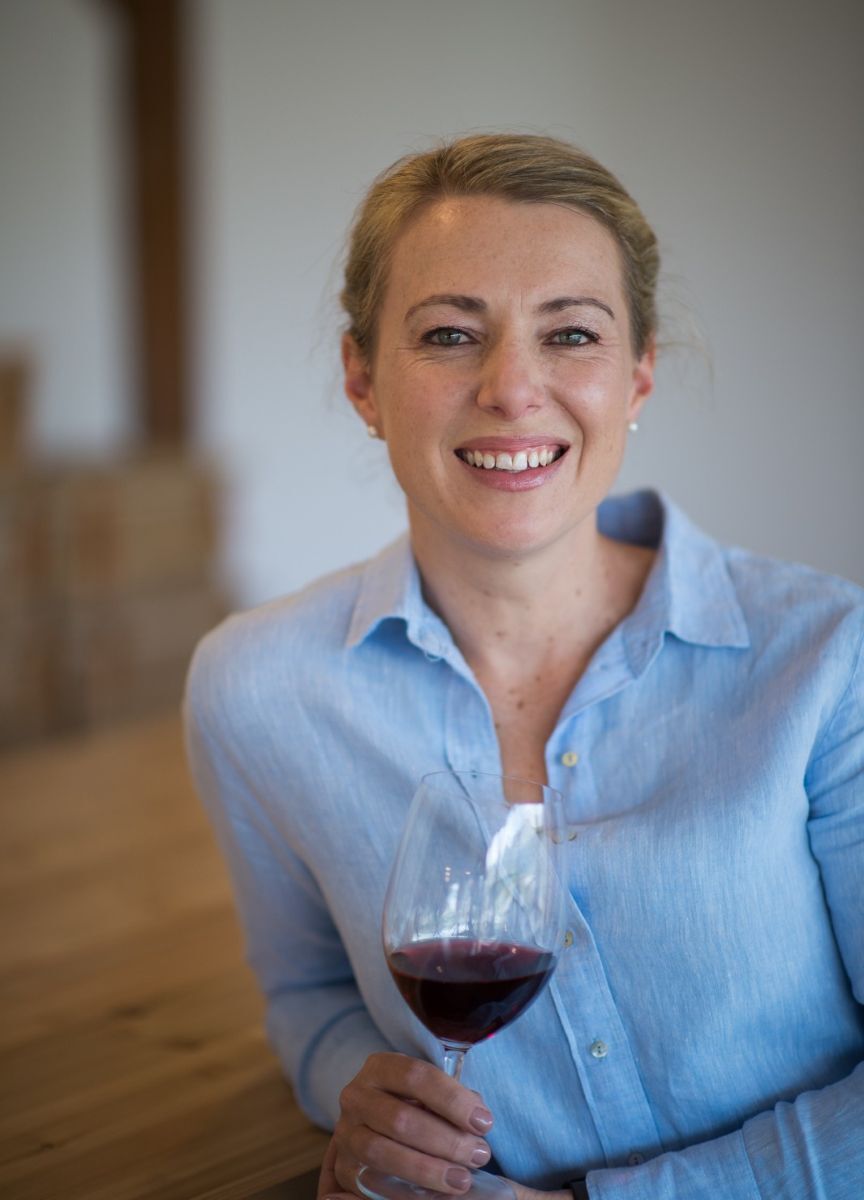
Corlea Fourie has spent twenty years making wine at Bosman Family Vineyards in Wellington's Bovlei. But her most valuable skill? Knowing when not to act.
That clarity came into sharp focus one morning in 2007, standing in front of a scraggly block of 1952 Chenin Blanc vines that everyone wanted ripped out. Low-yielding, gnarled, inefficient—the business case for removal was airtight. Fourie, fresh from Stellenbosch University with her Viticulture and Oenology degree, felt something else entirely.
"Over the last 20 years, a lot of what I've been responsible for has come down to saying no rather than yes," she reflects. "No to shortcuts, to quick fixes, to decisions that feel efficient but irreversible."
The internal conversation was brutally simple: Once they're gone, they're gone.
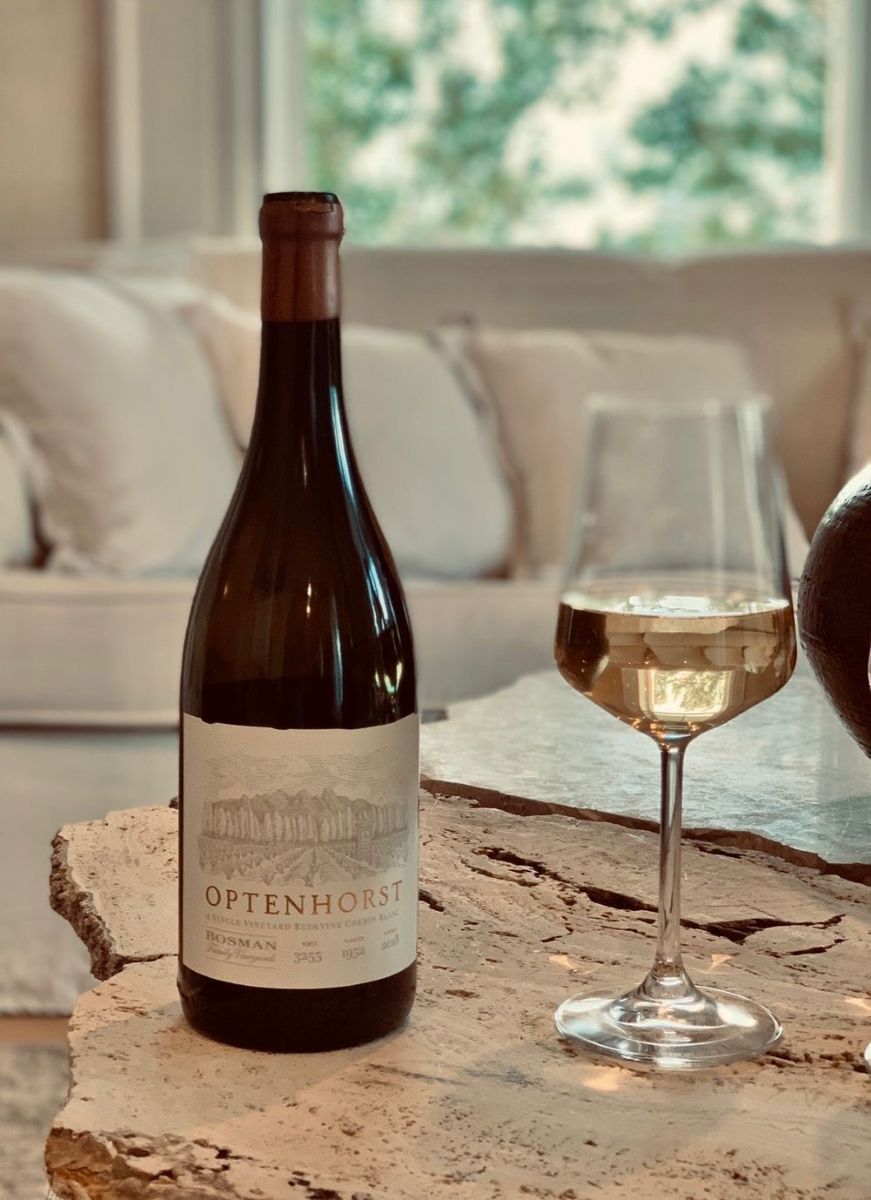
She convinced Petrus Bosman, the eighth-generation owner, to give the vineyard one final season. They'd vinify it separately using only natural yeasts and see what the old vines had to say. That gamble became Optenhorst Chenin Blanc, now officially the third-oldest vineyard in South Africa and a wine that earned 95 points from Tim Atkin MW for its 2023 vintage.
"At the time, we didn't know what those vines would become," Fourie admits. "There was no blueprint or promise. What I felt instead was a quiet, persistent nagging—an instinct that said we needed to see their full potential before making a drastic decision."
It's the kind of restraint that doesn't make headlines but builds legacies.
From Medicine to Winemaking Without Looking Back
Fourie's path to Wellington began in Bloemfontein, where medicine seemed the sensible choice for an academically astute Free State student. Then came a gap year working behind a bar in Scotland, where the alchemy of wines and whiskies sparked something she couldn't ignore.
"I didn't actively leave medicine so much as I considered it, because 25 years ago, it was the kind of path that felt sensible and secure," she says. "Choosing wine meant stepping into something unfamiliar, removed from my Free State upbringing. That was daunting, but it was also very exciting."
The moment of certainty arrived during her first harvest—physically punishing, mentally exhausting, instinctively right. "The mix of science, intuition, and working with nature resonated with me in a way nothing else had," she recalls. "From that point on, I never seriously questioned the change in direction."
She completed her internship at Diemersfontein, where she met winemaker Bertus Fourie. They married, settled in Wellington, and when Bosman renovated their historic cellar in 2007, Corlea became part of a team that would eventually become three female winemakers—a rarity that's become one of the estate's quiet strengths.
When Being Overlooked Becomes Your Advantage
Being a female winemaker in 2007 came with its own peculiar friction. Fourie wasn't subjected to open dismissal, but there were moments—emails redirected to male colleagues, technical conversations that bypassed her even when she led the project.
"These situations were limited and context-specific, involving one or two individuals," she says with characteristic understatement. "Very clearly a them issue rather than a me issue."
Her response? Consistency. Stay calm, prepared, and clear. Let results speak louder than assumptions. It wasn't always comfortable, but those experiences shaped how she leads today—with quiet confidence, without the need to over-assert authority.
Now, leading a team of three women, she's having different conversations. They taste together, discuss wine development, unpack decisions and responses. But the most important message she delivers is one she wishes someone had told her earlier: "You don't have to fit a specific mould to succeed as a winemaker. There's room for different approaches and instincts, and that diversity of thinking ultimately strengthens both the wines and the team."
The Vintages That Tested Everything
Legendary wines carry legendary expectations. Every Optenhorst vintage now arrives with the weight of reputation behind it. But the harvests that truly tested Fourie weren't about vineyard challenges—they were about grief.
The 2007 and 2008 vintages coincided with significant personal loss, arriving when she was still finding her footing as a winemaker. "The calm, grounded centre I usually draw strength from was unsettled," she admits. "What kept me awake wasn't only the vineyard challenges, but the pressure I placed on myself to perform beyond my emotional capacity at the time."
She felt a fierce need to prove that personal grief wouldn't affect professional outcomes. In hindsight, that expectation was unnecessary—and damaging.
"Working through those harvests taught me an important lesson: steadiness in winemaking doesn't come from pushing harder, but from allowing space—for the vineyard, for the wine, and for yourself."
That understanding has become central to her philosophy. Winemaking, she's fond of saying, is a delicate balance of hands-on and hands-off. But knowing when to intervene versus when to trust and let go? That wisdom only arrives through expensive mistakes.
When Stubbornness Becomes the Problem
Bosman committed to organic viticulture early on, selecting sites aligned with their winemaking philosophy. In one vineyard, the conversion took a brutal toll. Instead of adapting, they doubled down—trying to do more, not less, because giving up felt like failure.
"In hindsight, that only added pressure to an already stressed system," Fourie says.
Eventually, they pivoted toward regenerative practices. That shift didn't just stabilise the vineyard—it added value across every dimension. "It reinforced an important principle for me: progress isn't about stubborn persistence, but about paying attention and adapting when the vineyard tells you it needs something different."
It's attentive restraint in action—listening deeply, then acting with intention.
The Partnership That Works Because the Wine Leads
Fourie's husband, Bertus, is also a winemaker, which could create friction. Instead, they've built a partnership grounded in mutual respect and a simple protocol: when palates differ, they taste together and let the wine lead the conversation.
"I trust Bertus's palate and judgement completely," she says. "Our palates may differ slightly, but they're closely aligned. Once we leave the cellar, the only thing we take home is the wine itself."
What Vines Tell You That Boardrooms Never Could
Fourie travels regularly to promote Bosman wines in the UK, Europe, and the USA. She's learned to navigate retail buyers and sommeliers, translating vineyard stories into market language. But her preference remains clear: walking vine rows at dawn during harvest.
"Those early walks are about observation," she explains. "I'm checking on how the vineyard is responding to the season. It's practical and grounding."
What the vines offer that meetings don't is simplicity—no narrative, just what's working and what isn't. It keeps decisions realistic and focused, anchored in reality rather than rhetoric.
The Corlea Factor
If you pressed Fourie to define what makes her approach distinctive, she'd point to two qualities: attentive restraint and storytelling.
"I listen deeply—to vineyards, to people, to the texture of a wine—and then I act with intention," she says. "I try to bring empathy into winemaking: a belief that everything—vine, soil, human—performs best when understood rather than controlled."
Alongside that sits storytelling, which for her means building a connection between people and the wine. It's not marketing spin. It's about honouring provenance, expressing terroir, and letting each vintage tell its own story without over-manipulation.
Her Generation 8 Chenin Blanc has become that wine you keep in your fridge for mid-week meals, weekend braais, picnic baskets—versatile, reliable, expressive. And her Twyfeling Cinsaut from the Hermitijk Kop vineyard has won over sommeliers globally with its elegance—the 2023 vintage earning 5 stars in Platter's 2026 guide and selection as Platter's Cinsaut Noir of the Year.
And Optenhorst? That wine she almost didn't make continues to remind her why saying no to the obvious choice sometimes opens the door to something extraordinary.
Twenty vintages later, Fourie remains grateful—for the places she walks, the hands that shape the work, the community that rises before dawn to sort, press, taste, and nurture with shared purpose. Harvest is never a solo endeavour.
But perhaps her deepest gratitude is reserved for that quiet, persistent instinct that said wait when everyone else said remove. Because once they're gone, they're gone—and some things are worth the patience to truly understand.
Mike Carter is a Wine Futurist based in Cape Town, South Africa, who believes the path to future success isn't found in perfect predictions but in perfect positioning. Want to dive deeper? Download his complimentary book Master Positioning, or connect on LinkedIn for more contrarian thinking about wine's future.